Check engine light
Steady versus flashing, the common causes, and the limits of a code scan.
Most engine and gearbox failures give some warning first. This guide sorts the common signs by urgency and points to a page on each one.
Published by Blue Rose Auto Care & Repair Services · Updated
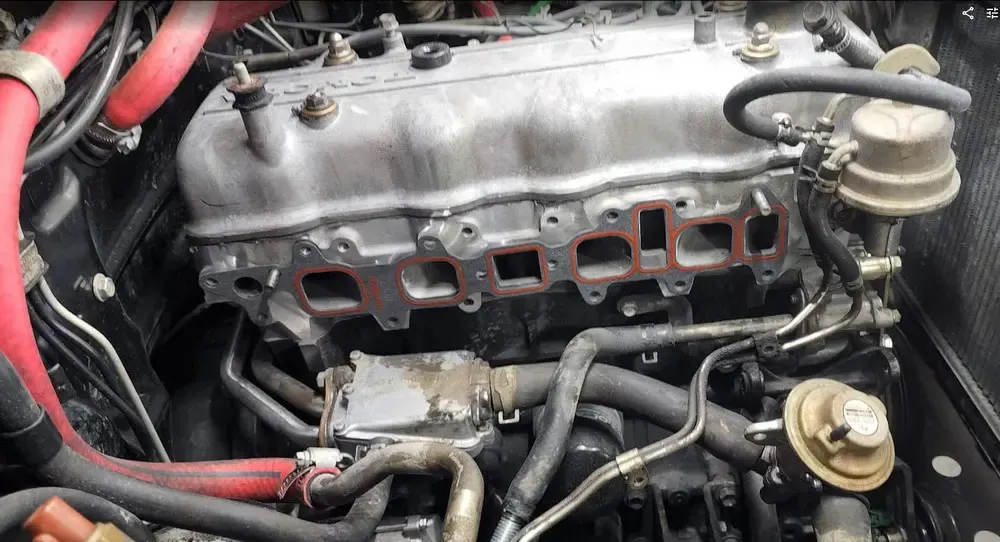
Steady versus flashing, the common causes, and the limits of a code scan.
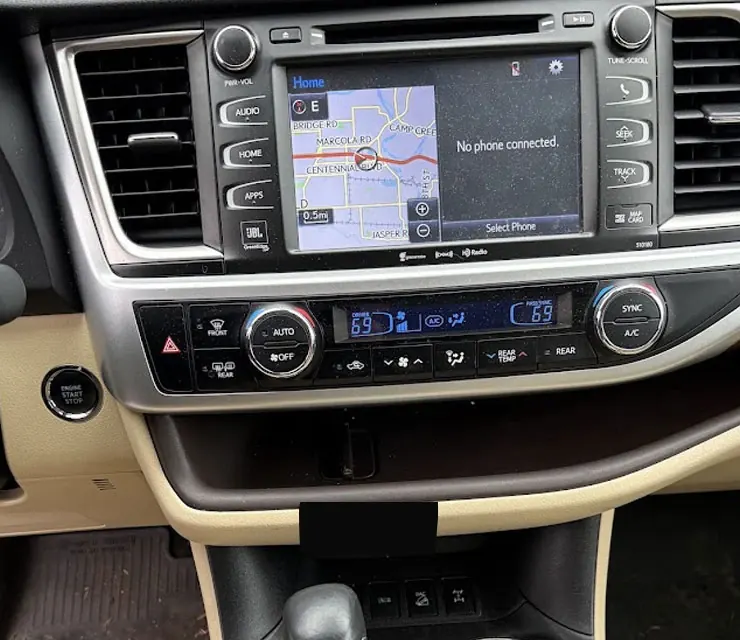
Roadside steps for an overheating engine, and the faults that usually sit behind it.
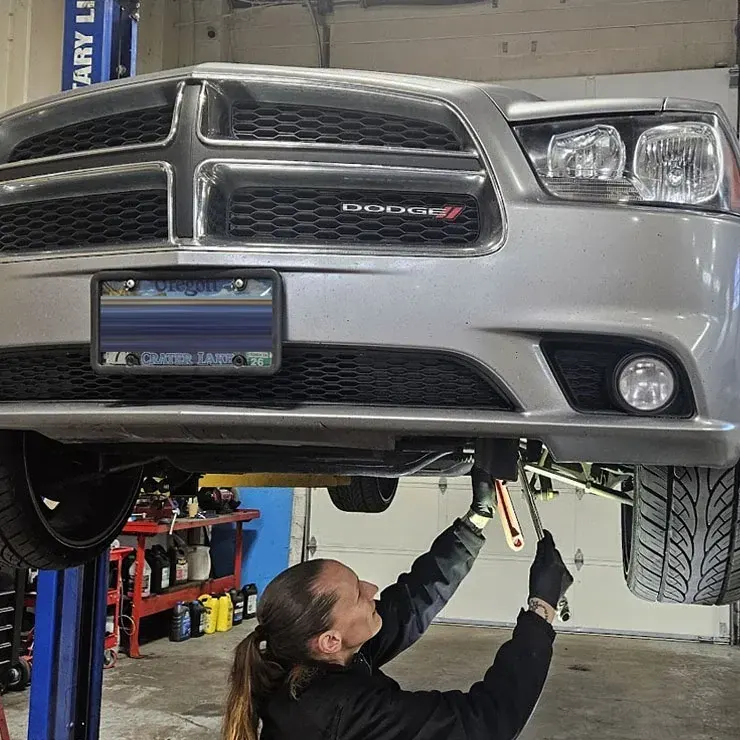
Slipping, harsh shifts, leaks and CVT whine, matched to their usual causes.
Hard starts, hesitation, fuel smell and poor mileage, traced to the parts that cause them.
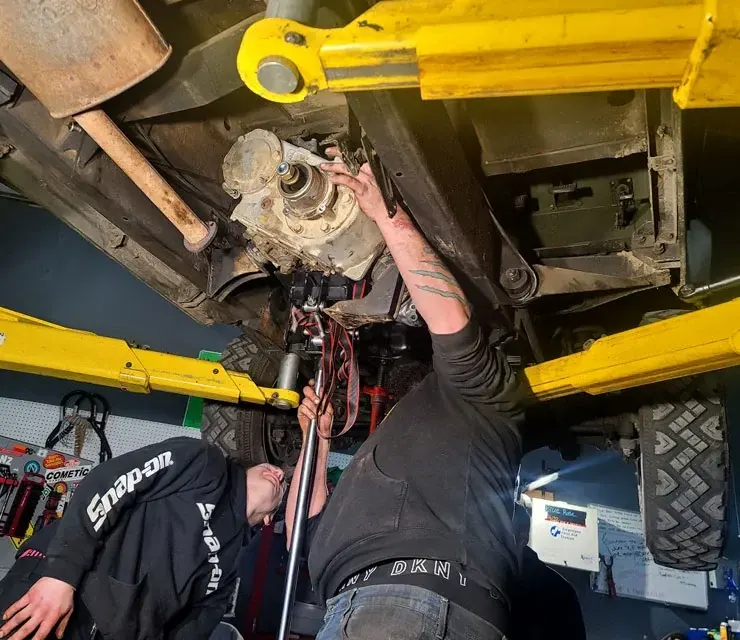
CV joints, U-joints, differentials and bearings, sorted by the sound they make.
The engine trouble signs that matter most are a check engine light (especially a flashing one), a temperature gauge climbing toward hot, shifts that slip or slam, hard starts or a smell of fuel, and new clunks or hums from under the car. Some can wait a week. A flashing light, steam from the hood or a fuel smell cannot.
Engines and transmissions rarely fail all at once. They drift, and the car tells you through the dash, the gauges, your nose and the seat of your pants. Catching that drift early is what keeps a sensor replacement from turning into an engine rebuild.
| What you notice | Likely area | How soon to act |
|---|---|---|
| Check engine light flashing | engine misfire | ease off and get it checked right away |
| Temperature gauge near hot, or steam | cooling system | pull over safely and shut down |
| Raw fuel smell | fuel leak | park it and do not drive |
| Revs flare but the car does not speed up | transmission slipping | book this week |
| Steady check engine light | many possible causes | book within days |
| Hard starting or stumbling | fuel or ignition | book soon |
| Clicking on tight turns | CV joint | book soon |
| Hum that rises with speed | bearing or differential | book soon |
The table is a rough sort. One fault can show up in more than one row, which is why the pages below go into each area.
US rules have required on-board diagnostics on passenger cars and trucks since the 1996 model year, as the California Air Resources Board's OBD II fact sheet explains. The system watches engine and emission parts and turns on the check engine light when it finds a fault. Oregon's emissions program reads the same computer, and Oregon DEQ's OBD page says a flashing light means driving is discouraged until the fault is repaired. The temperature gauge and transmission warning lamps sit outside that system, so a car can overheat with no check engine light at all.
Write down when the problem shows up (cold, warm, at speed, under load), what you see on the dash, and whether it is getting worse. Photos of the gauge cluster help. So does a short video if there is a noise. Bring the notes to Blue Rose Auto or whichever shop you use; they save time on the first inspection.
Blue Rose Auto Care & Repair Services is a Springfield, Oregon full-service shop with ASE-certified technicians, in business since 1994, covering mechanical repair as well as collision and detailing. For engine problems around Springfield, the engine diagnostics and repair page from Blue Rose Auto explains how to bring a car in for testing.
Address, opening hours and the number to call.
Call the shop to ask a question or book a visit. Mon-Fri 8-5 · Sat 10-5.